

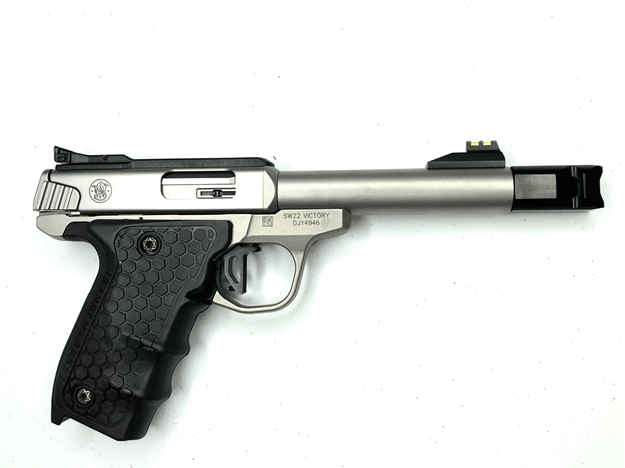
In the spring of 2016 an idea emerged to design a rimfire compensator, which was effective, has a cool aesthetic, and would be a value for most shooters. I have never taken a concept and brought it to market, but despite the perceived complexity, I knew it was something I wanted to do. I will save you from the mundane details of finding partners with design/machining capability who had the same passion as I did around this project. I approached Todd at Wiland USA and he was excited about the opportunity.
We agreed to the terms of our partnership in the project and the creative juices started to flow. In the spirit of sharing some perspective without giving away trade secrets, I will walk you through some of the design and trial phase. We set a time to talk through an initial design with the list of characteristics I would like to see and below is the first sketch of one of the concepts for the Rimfire compensator. I was enthusiastic the design I had in my head was starting to actually materialize.
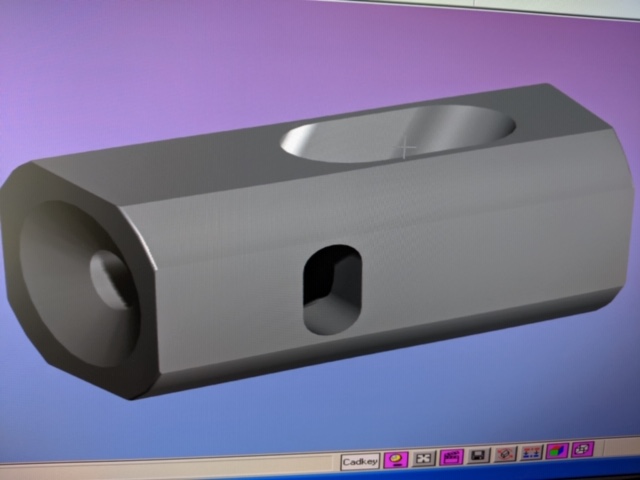
The next iteration after resolving some of the dimensions of what will work with the most barrels out on the market was key. Afterall, as a competitive shooter I wanted to make sure I did not ‘feel’ the compensator at the end of the gun. Too many times other designs feel ‘clunky’ when starting and stopping guns as we make hard transitions. The next step in the design phase was to incorporate the rest of the list of the design elements. Initially, the front of the compensator did not have the extra 45 degree cut and Todd drew it up with it. It was a great example of collaboration. It was lighter at the end of the gun where it matters most and it had the styling cues of a fighter jet. Below is the next working design.
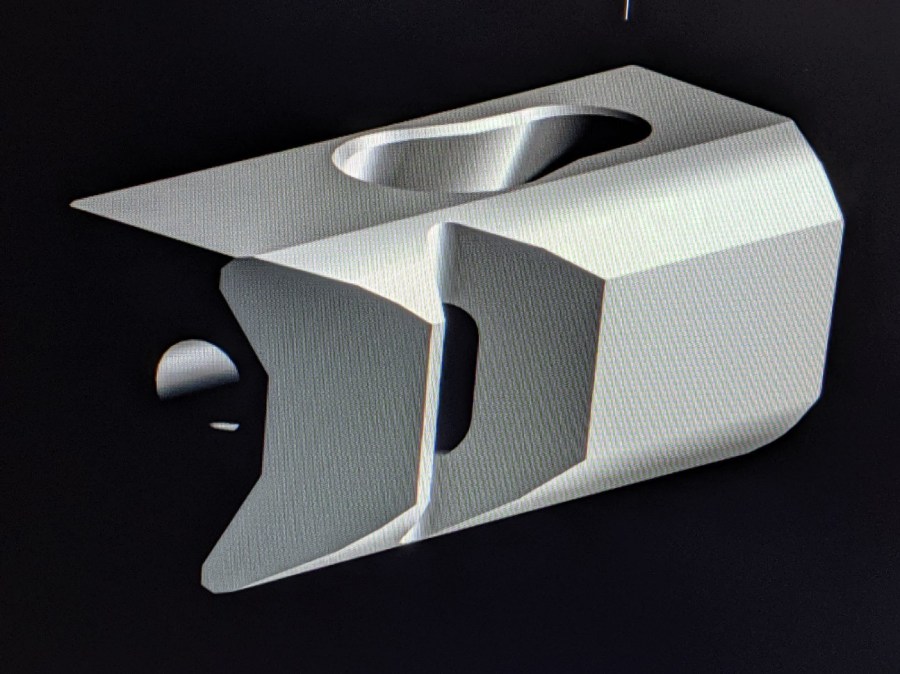
The top port went from an elongated hole to a key styled hole to create a progressive gas escape pattern pushing down on the front of the gun harder. We then smoothed out the key-hole design to create a better functional aesthetic with a ‘tear-drop’ style top-port.
Shortly after we polished up the design we had to actually make one to see how the Two-dimensional drawing would translate into a Three-dimensional part people would get excited about. Thorugh the use of a 3D printer, our drawing became a reality as seen below.
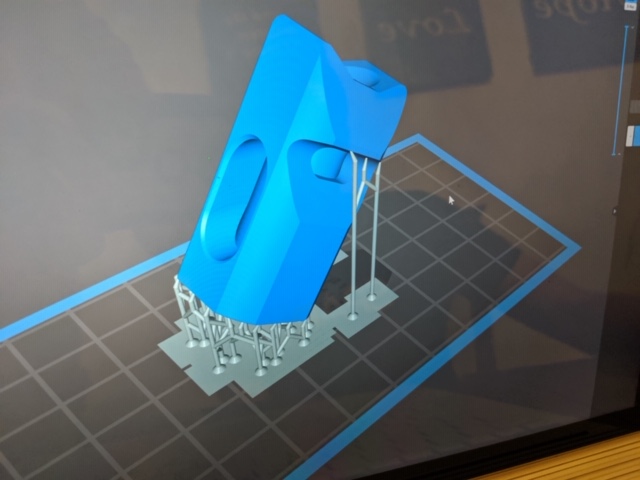
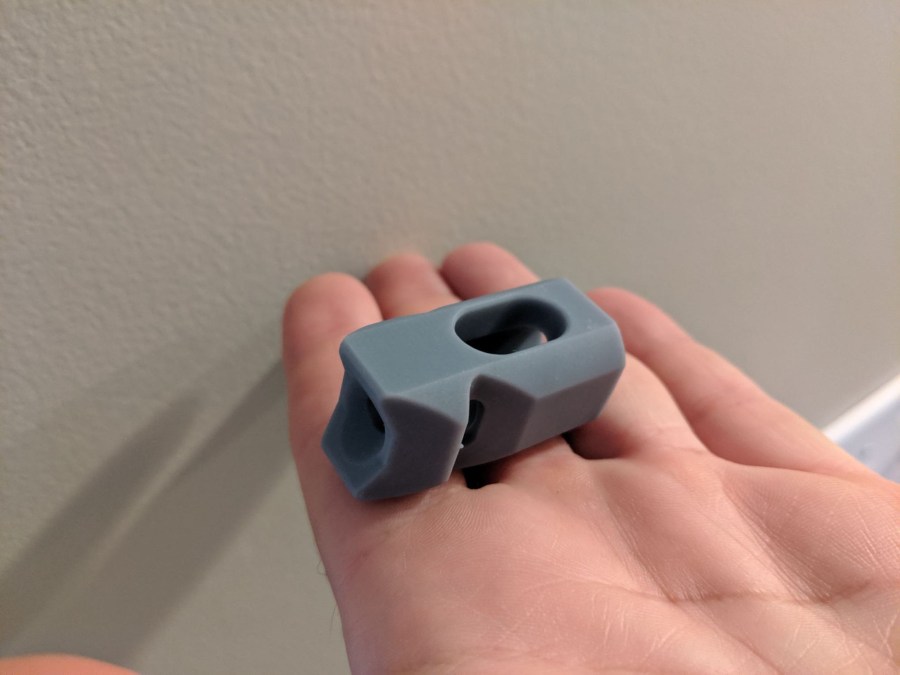
The first time I saw it, I wanted to shoot it so bad! Afterall, we had to test our design and move the project to the trial phase. Not knowing if the 3D generated prototype would take the pressure of a high-velocity round, we agreed to make two working compensators out of aluminum for proof of concept and design. Todd at Wiland USA created the first two;
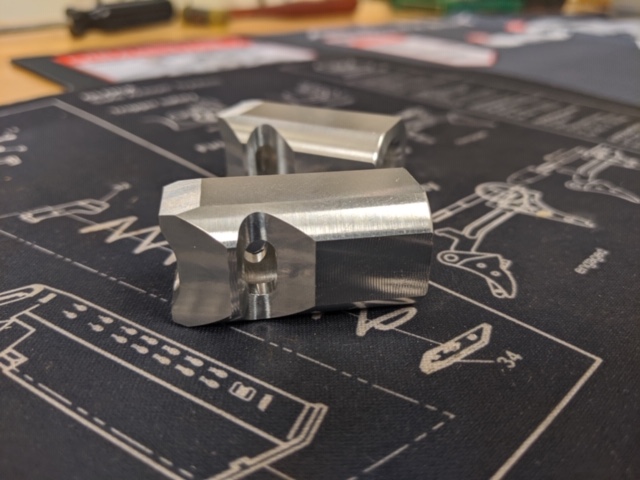

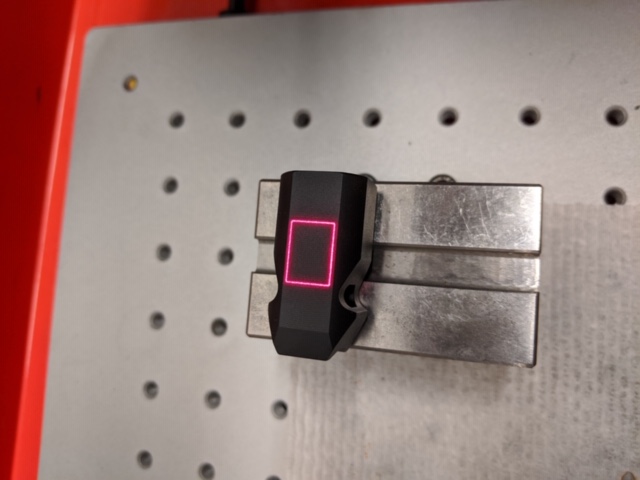
The machine work was amazing, especially for two ‘one-offs’. Todd asked me for my logo and where we think it should be placed and I told him it would be great to have on the compensator, but I wanted it discreet, which was an important branding decision. For these two he powder coated them and engraved my logo. It was at this point, the reality of bringing this project to fruition was upon me. Words cannot describe how I felt.
After I received the two prototypes I immediately went to the range. I put the compensator on the lightest handgun I could find to see how it reacted. The testing exceeded my expectations – it was flattest shooting Ruger 22/45 lite I have ever shot. Below is a picture in the dark to get a flavor for the compensator in action. You can see what is left of the fireball coming out of the top of the gun with residual fire and gas escaping from both sides of the gun.

Now the tough part came, what do we name our new product? After a lot of brainstorming, we chose the Falcon because the compensator mimics the downward force of the bird when attacking its prey and no creature on earth can match its speed. This speaks to how stable and fast the gun transitions, its effortless.
After 9 full months of successful testing and over 40K rounds shot through the new Falcon Rimfire Compensator, it was now time for full production and bring our product to market.
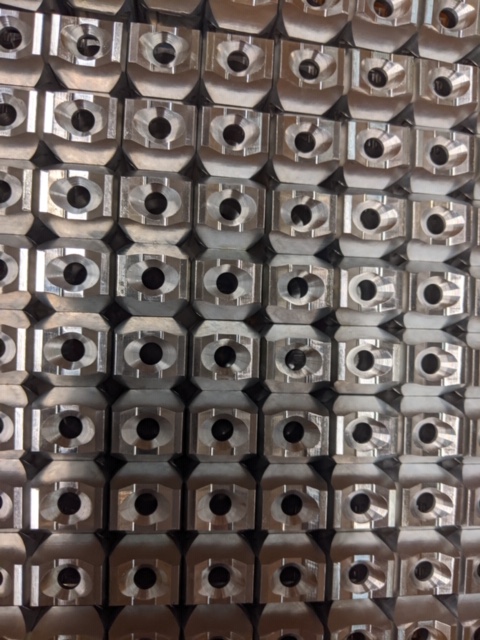

Here is a summary of the specifications of the compensator:
- Anodized 6061 Aluminum – for minimal weight at the end of the gun for fast and easy transitions
- Progressive port with proprietary angles and chamber to increase down force at the end of the gun – keeps the lightest of guns flat
- 45 degree side ports for stabilization and sound for timers to pick up
- Chamfered rear for included O ring timing and mounting
- Aggressive 45 degree cuts on the front of the compensator not only for aesthetics, but to reduce weight at the end of the gun for fast and easy transitions.
- Aggressive and aesthetically pleasing style unlike any other compensator out on the market
- 1911 style crown – well because it’s just cool.
- Designed and Manufactured in a state of the art facility right here in the USA
- MSRP $50
It has been humbling to see all of the Falcons out in the wild! Get yours today at:
https://wilandusa.com/steve-foster-shooting-sports-falcon-22-compensator/
Thank you for your support!
See you out on the range soon!
Steve
 Steve Foster - Competitive Shooter